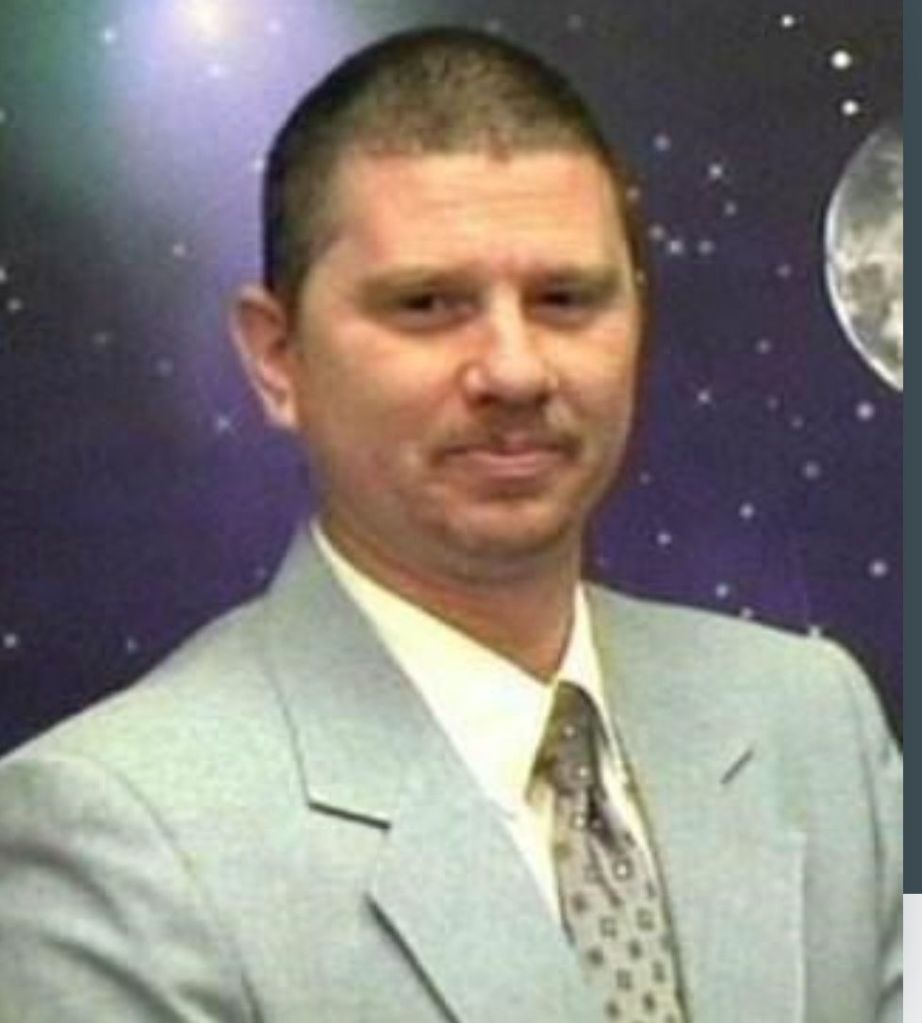
A TRIBUTE TO MY BROTHER, TIM
Today is my brother’s birthday.
And I am done watching his story be misunderstood.
My brother did not commit suicide because he was weak.
He committed suicide because he lived in a world that trained him—relentlessly—to swallow pain and never speak it.
From childhood on.
People like to romanticize endurance.
They tell children to respect and honor parents no matter what.
They warn families not to air dirty laundry.
They say everyone had it hard as if that somehow cancels abuse.
They teach boys—especially boys—that silence equals strength.
That messaging doesn’t heal trauma.
It buries it alive.
I remember the abuse from my earliest memory. I was sitting in a high chair, eating finger foods—scrambled eggs, I think—while harm existed around us like oxygen. People say you shouldn’t remember that far back. They’re wrong. Trauma imprints before language. The body remembers long before the mind has words.
My brother carried that into adulthood without ever being taught that he was allowed to set it down.
He didn’t talk about it.
Not because it didn’t matter.
Not because it didn’t hurt.
He didn’t talk about it because the world he grew up in had no language, no tools, and no mercy for men who admitted they were damaged by their past. Mental health wasn’t a thing. Trauma wasn’t understood. Nervous systems weren’t discussed. Survival was praised. Silence was rewarded.
So he swallowed it.
And swallowed it.
And swallowed it again.
And people mistook that for functioning.
We Didn’t Stay Silent. We Were Ignored.
There’s a lie people like to believe—that abuse survives because no one ever speaks.
That wasn’t our story.
There were family witnesses.
There were outside witnesses.
There were bruises.
There were obvious signs—physical, emotional, behavioral.
There were shy conversations with school personnel. Careful wording from children who already knew speaking was dangerous. Sideways disclosures. Quiet truths.
And nothing happened.
As we got older, we tried again. We contacted child services. We did what we were told you’re supposed to do.
They came.
They investigated.
And somehow, things got worse.
More danger.
More retaliation.
More silence.
So we learned the lesson abused children learn everywhere:
keep your mouth shut and survive.
That conditioning doesn’t disappear when childhood ends. It follows you into adulthood. It teaches you that help is unreliable, authority won’t protect you, and telling the truth costs more than it saves.
When people ask why victims don’t speak, this is the answer they don’t want to hear:
Many did.
And no one listened.
Blamed for Surviving
What came next was another betrayal.
Not only were we ignored—we were chastised.
Adults who should have protected us confronted us for not being “better children.” We were criticized for not maintaining relationships with the very people who harmed us. We were scolded for distance. For boundaries. For survival.
We were pressured to forgive faster.
To reconcile harder.
To go back in and try again.
As if enduring abuse obligated us to lifelong loyalty.
This is how victims are re-victimized.
Not through fists or bruises—but through guilt.
Through spiritual pressure.
Through social expectation.
Through the lie that honoring parents means tolerating harm.
We didn’t walk away because we were bitter.
We walked away because self-preservation was the only protection we ever had.
And still, we were expected to return to the same scenario we barely survived—as if healing required proximity to the wound.
That contradiction fractures a person.
It splits loyalty from truth.
It forces silence where honesty should live.
My brother carried that weight too.
This Is Not Madness. It Is Burnout.
He lived disconnected, dissociated, fragmented. Not because something was wrong with his character—but because his nervous system had been in survival mode since childhood. Trauma changes people. It changes affect, regulation, perception, behavior. It changes how someone occupies the world.
Instead of asking what happened to him, society asked what’s wrong with him.
That distinction matters.
I once read something a psychiatric nurse said that stopped me cold:
“There are no crazy people here. Only people who weren’t helped in time.”
Mental collapse is not sudden.
It is not dramatic.
It is not weakness.
It is what happens after decades of unrelenting stress, unresolved trauma, emotional isolation, and being told to just push through.
Today you’re exhausted.
Tomorrow you stop answering calls.
Eventually, your nervous system gives out.
This isn’t madness.
It’s burnout of the soul.
He Asked for Help.
There is one more truth that must be told.
The night before my brother died, he reached out to his father—the same man who had abused him.
He begged him to come and remove the guns from his home.
He knew he wasn’t okay.
He knew he was overwhelmed.
He knew he was at risk.
That is not weakness.
That is clarity in crisis.
His plea was ignored. Worse than ignored—he was ridiculed and chastised. He was not taken seriously.
The very next day, my brother shot himself with a shotgun.
I need this understood plainly:
When someone asks for help like that—when they ask for means to be removed, when they say they are not okay—they are not being dramatic. They are not seeking attention. They are trying to survive the moment.
Silence in that moment is deadly.
Ridicule in that moment is deadly.
Refusal in that moment is deadly.
What I Need You to Do With This
I am not writing this to accuse a generation—but I am not protecting it either. The culture of silence failed him. The expectation to endure without care failed him. The pressure placed on victims to keep the peace failed him.
We know better now. And knowing better means responsibility.
If you are the one overwhelmed:
Reaching out is not failure—it is courage.
If the first person you ask does not help, ask another. And another.
Put distance between yourself and anything that could be used to harm you.
Give the moment time. Feelings shift—even when they feel unbearable.
You are not broken.
You are overloaded.
And overload can be relieved—but only if you are still here.
If you are the one being reached out to:
Take it seriously.
Stay present.
Help remove immediate risk.
Call for help if you don’t know what to do.
Your response may matter more than you will ever know.
Before I close this, I want to leave you with words that have stayed with me—words that echo what my brother lived and what so many others carry quietly.
Princess Diana once said,
“The greatest disease in the world today is not leprosy or tuberculosis, but rather the feeling of being unwanted.”
She also said,
“Carry out a random act of kindness, with no expectation of reward, safe in the knowledge that one day someone might do the same for you.”
Mother Teresa said,
“The most terrible poverty is loneliness and the feeling of being unloved.”
And,
“If you judge people, you have no time to love them.”
These are not poetic sentiments to me.
They are lived truth.
Scripture tells us plainly:
“Carry each other’s burdens, and in this way you will fulfill the law of Christ.”
— Galatians 6:2
That verse does not glorify silence.
It does not praise endurance alone.
It calls us to show up—for one another.
My brother wasn’t weak.
He was human in a world that demanded endurance instead of care.
If this reaches even one person—one overwhelmed soul, or one bystander with the chance to intervene—then his life, and his loss, will not have been invisible.
And that matters.
With a heart still heavy,
and hope that refuses to die,
Tina N. Campbell
Scribed in Light


 Scribed In Light
Leave a Reply to Scott Cancel reply